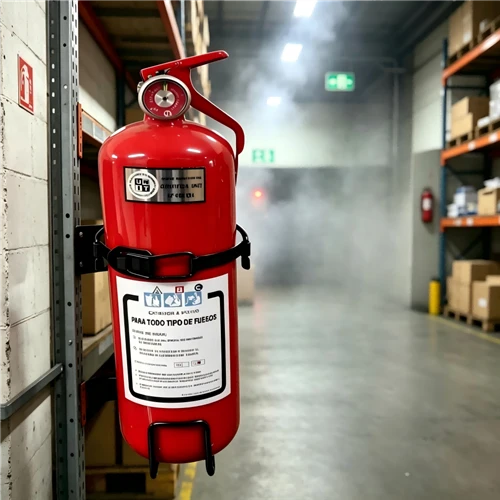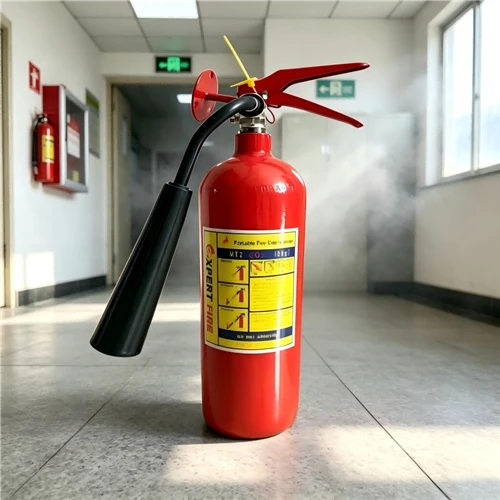
After understanding the inspection and maintenance cycle of fire extinguishers, we also need to know the specific practical steps. Here are some basic inspection and maintenance steps for your reference:
Visual Inspection: First, check the fire extinguisher for rust, damage, or other defects, especially ensuring the nozzle and spray hose are unobstructed. Then, check the pressure gauge to ensure it's in the green or yellow zone (some fire extinguishers allow the gauge to be in the yellow zone, indicating slightly higher pressure but still usable). If the gauge is below the green line, it should be repressurized and repaired immediately.
Functional Inspection: Perform a functional inspection according to the fire extinguisher's instruction manual. For dry powder extinguishers, remove the safety pin and press the handle to observe if dry powder is sprayed and if the amount is normal. For carbon dioxide extinguishers, remove the safety pin and press the handle to observe if gas is sprayed and if the sound and force are normal. Note that during functional inspections, ensure there are no open flames or other flammable materials nearby to avoid unnecessary danger.
Hydrostatic Testing: Fire extinguishers requiring hydrostatic testing should be sent to a qualified repair shop for testing according to relevant regulations. Before testing, the fire extinguisher should be thoroughly cleaned and its sealing performance checked to ensure it meets requirements. During the test, it should be pressurized according to the specified pressure and time, and any leakage should be observed. After the test, the fire extinguisher should be dried and refilled with extinguishing agent and propellant gas.
Records and Labeling: After each inspection and maintenance, an inspection and maintenance record label should be affixed to a conspicuous location on the fire extinguisher, indicating the inspection date, inspector, and inspection results for future traceability. Additionally, for fire extinguishers that have already undergone hydrostatic testing, the date of the next hydrostatic test should be marked on the cylinder to remind users to send it for inspection in a timely manner.