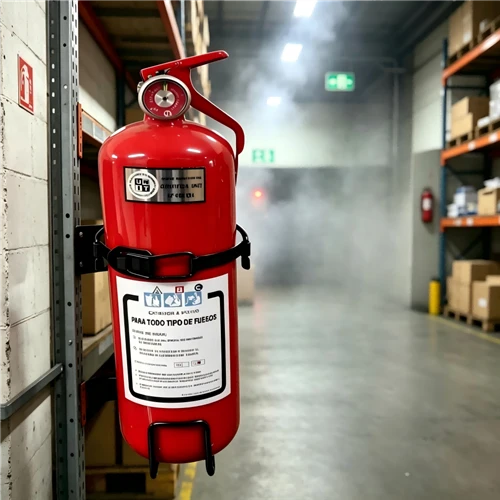
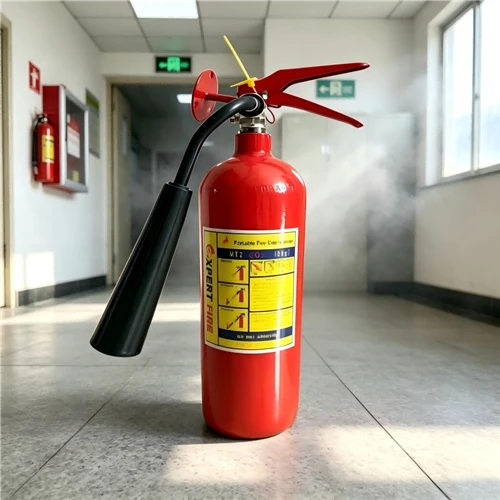
The world's first fire extinguisher was invented in 1834 in London, after a massive fire nearly destroyed the ancient Palace of Westminster, the site of the British Parliament. Among the many onlookers was George William Manby, who was not simply there idly to witness the blaze. Born in Norfolk, Manby joined the army as a young man, rising to the rank of captain and commanding the Yarmouth Barracks. This relatively unimportant position allowed him time to dedicate himself to the life-saving work that so deeply resonated with him. Initially, he was passionate about shipwreck rescue, inventing a trouser-shaped lifebuoy and being the first to propose using lighthouse flashing signals. Later, Manby shifted his focus from maritime rescue to firefighting. At the time of the fire, he was experimenting with fireproof clothing. His most significant pioneering contribution was the invention of the portable compressed gas fire extinguisher, a two-foot-long, eight-inch-diameter, four-gallon-liter brass cylinder, essentially identical to today's fire extinguishers. He placed the fire extinguisher in his specially designed trolley, hoping that patrol teams equipped with such extinguishers could immediately put out small fires at the scene of an outbreak, thereby reducing the number of major fires.
 Language
- English
- Français
- Deutsch
- 日本語
- Italiano
- Español
- Português
- русский
- বাংলা
- Melayu
- Nederlands
- Srbija jezik (latinica)
- عربي
- Ελληνικά
- íslenska
- Svenska
- Български
- українська
- Polski
- Indonesia
- Eesti
- România limbi
- ไทย
- hrvatski
- हिंदी
- Kreyòl Ayisyen
- Malti
- Latviešu
- dansk
- suomi
- magyar
- 한국어
- Cymraeg
- فارسی
- bosanski
- Norsk
- Gaeilgenah Éireann
- slovenščina
- Lietuvių
- Čeština
- Bai Miaowen
- O'zbek
- slovenčina
- Türkçe
- עברית
- Català
- Việt Nam
- اردو