
What Are Fire Extinguishers Used For?
Fire extinguishers are portable fire protection devices designed to control small or incipient fires before they develop into larger incidents. The correct extinguisher depends on the type of combustible material, fire classification, fire rating, installation environment, and applicable local requirements.
For commercial and industrial buyers, selecting a fire extinguisher is therefore more than choosing a cylinder size. The extinguishing agent, capacity, fire rating, operating pressure, certification, and installation conditions should all be considered together.
For example, multipurpose dry chemical extinguishers can be used for Class A, B, and C fire risks when they are appropriately rated and labeled. OSHA identifies applications including offices, laboratories, mechanical rooms, chemical storage areas, commercial vehicles, and other locations where these fire hazards may exist.
Uses of Fire Extinguishers by Application
Commercial Buildings
Offices, hotels, retail stores, shopping centers, and public buildings may contain several types of combustible materials, including paper, plastics, textiles, and electrical equipment.
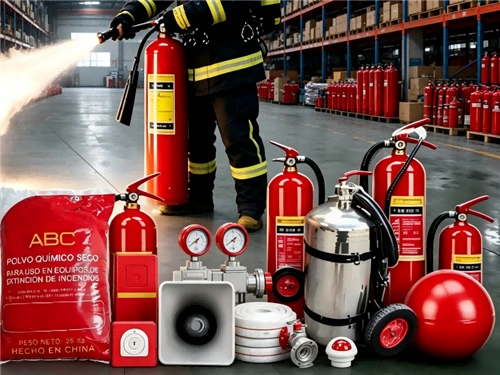
ABC dry powder fire extinguishers are commonly considered where Class A, B, and C risks exist together. Selection should be based on the actual fire hazards and the required fire rating rather than capacity alone.
For building projects, buyers typically evaluate:
- Fire rating
- Extinguisher capacity
- Installation requirements
- Certification
- Operating pressure
- Maintenance requirements
Warehouses and Logistics Centers
Warehouses can contain cardboard packaging, pallets, plastics, textiles, machinery, and other combustible materials. Fuel-powered handling equipment may also introduce additional fire risks.
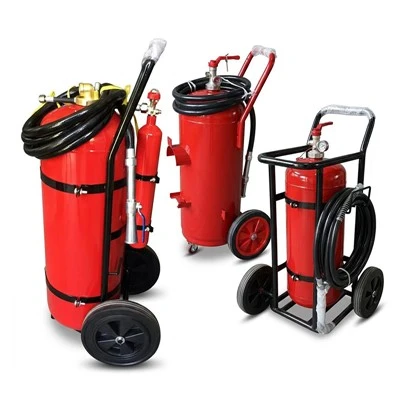
For these environments, buyers generally need to consider both the size of the potential fire and the type of combustible material. Higher-capacity extinguishers may be required for areas with greater fire loads, subject to the applicable fire code and risk assessment.
Weimin supplies ABC dry powder extinguishers in multiple capacities, allowing distributors and project buyers to configure products for different applications.
Industrial Facilities and Workshops
Factories and workshops may involve machinery, electrical equipment, packaging materials, combustible liquids, welding operations, or other industrial fire risks.
In these environments, procurement teams normally focus on:
Extinguishing agent + fire rating + capacity + pressure performance + certification.
ABC dry powder is suitable for many mixed Class A, B, and C applications when the product is correctly rated for the intended hazard. However, specialized fire risks may require different extinguishing agents.
This distinction is important because a fire extinguisher should always be selected according to the specific hazard rather than simply choosing the largest available model. NFPA guidance similarly emphasizes that portable extinguishers must be matched to the class of fire they are intended to address.
Restaurants and Commercial Kitchens
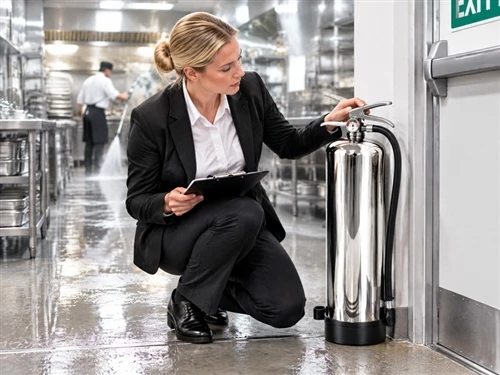
Commercial kitchens contain a combination of cooking equipment, electrical systems, packaging materials, and combustible cooking media.
Cooking-oil and grease fires require extinguishers specifically rated for the applicable kitchen fire class. OSHA identifies Class K fires as those involving combustible cooking fluids such as oils and fats.
Therefore, an ABC dry powder extinguisher should not automatically be treated as the solution for every kitchen fire. Buyers should confirm the applicable fire classification and local requirements before specifying equipment.
Electrical and Equipment Areas
Electrical rooms, control panels, machinery areas, computer rooms, and other equipment spaces may require extinguishers suitable for energized electrical equipment.
CO₂ extinguishers are commonly used in areas such as mechanical rooms, offices, computer laboratories, and certain flammable-liquid storage areas. Dry chemical extinguishers may also be used where their fire classification and labeling cover the relevant hazards.
For procurement, the key question is not simply whether an extinguisher is labeled "electrical." Buyers should verify the product's actual fire classification, certification, and intended application.
Vehicles and Transportation
Vehicles may require compact portable extinguishers because of limited installation space and the presence of fuel, lubricants, electrical systems, and combustible interior materials.
Typical procurement considerations include:
Capacity and overall weight
Mounting configuration
Fire rating
Operating temperature
Vibration resistance
Certification requirements
For fleet operators and distributors, consistent supply across multiple capacities can also simplify product sourcing.
Marine and Coastal Environments
Marine, port, coastal, and high-humidity environments introduce another consideration: corrosion exposure.
In these applications, buyers may evaluate the cylinder material and surface condition in addition to the fire performance of the extinguisher.
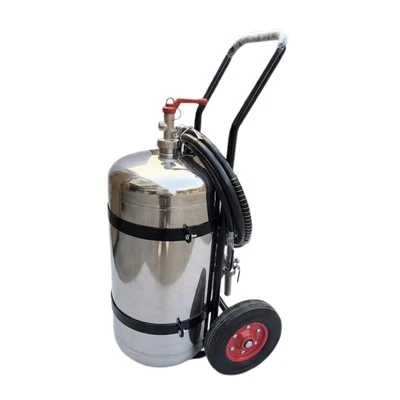
A stainless steel fire extinguisher can be considered where corrosion resistance and long-term appearance are important. Weimin currently offers stainless steel fire extinguisher models using SUS304 stainless steel, with capacities listed from 2kg to 9kg on its product page.
However, stainless steel should not be treated as a substitute for required fire-performance certification. Material selection and fire protection performance are separate purchasing criteria.
How to Select the Right Fire Extinguisher for Each Application
A practical purchasing process should follow several steps.
Step 1: Identify the Fire Hazard
Determine whether the site involves ordinary combustibles, flammable liquids, energized electrical equipment, cooking oils, combustible metals, or a combination of hazards.
Step 2: Select the Appropriate Extinguishing Agent
Common options include:
- ABC dry chemical powder
- BC dry chemical powder
- Carbon dioxide
- Foam
- Water
- Wet chemical
The selected agent should correspond to the fire classification and applicable standards.
Step 3: Check the Fire Rating
The fire rating indicates the tested extinguishing capability of the product. It should be considered together with the hazard and required coverage.
Step 4: Select the Capacity
Capacity should be selected according to the fire risk, installation requirements, fire rating, and local regulations.
Weimin's dry powder product range includes multiple capacities, supporting different commercial and industrial requirements.
Step 5: Verify Pressure and Operating Temperature
Working pressure, test pressure, and operating temperature are important technical parameters for portable extinguishers.
For example, Weimin's published ABC dry powder models specify 14 Bar operating pressure and 25 Bar test pressure, with an operating temperature range of -30°C to +60°C. Buyers should confirm the exact specifications for the selected model before ordering.
Why Capacity and Fire Rating Matter
Capacity is one of the first specifications procurement teams compare, but capacity alone does not determine fire protection performance.
A larger extinguisher may contain more extinguishing agent, but the correct model still depends on its tested fire rating, agent type, discharge performance, and the hazard being protected.
For this reason, a professional quotation should normally include:
Capacity + Fire Rating + Extinguishing Agent + Working Pressure + Test Pressure + Operating Temperature + Certification.
This gives buyers enough information to compare products from different suppliers without relying only on product appearance or nominal weight.
When to Consider Stainless Steel Fire Extinguishers
Stainless steel becomes particularly relevant when the installation environment creates higher corrosion exposure or when the project requires a specific appearance.
Potential applications include:
- Coastal facilities
- Marine environments
- Hotels and resorts
- Commercial kitchens
- Food-related facilities
- Industrial environments
- High-humidity locations
For these projects, buyers should evaluate the stainless steel grade, corrosion resistance, pressure performance, fire rating, and certification together.
Weimin's stainless steel fire extinguisher range uses SUS304 stainless steel and is positioned for wholesale, OEM, and project procurement.
What Buyers Should Check Before Bulk Purchasing
Before placing a large order, importers, distributors, contractors, and project buyers should confirm:
Product Specification: Capacity, agent type, fire rating, pressure, temperature range, dimensions, and weight.
Material: Cylinder material and stainless steel grade where applicable.
Certification: Certification and test documentation required by the destination market.
Quality Control: Pressure testing, leakage inspection, cylinder and welding inspection, and batch quality procedures.
Customization: Labels, colors, logos, languages, packaging, valves, hoses, and accessories.
Supply Capability: Production capacity, MOQ, lead time, export packaging, and shipping documentation.
These factors reduce the risk of receiving products that meet the basic product description but fail to satisfy a project's technical or regulatory requirements.
Fire Extinguisher Manufacturing and OEM Support from Weimin
Shaoxing Weimin Fire Fighting Equipment Co., Ltd. provides fire extinguishers and related fire protection equipment for international buyers.
The company operates an ISO 9001-certified quality management system, with around 115 employees, including approximately 20 quality-control personnel, and exports products to more than 40 countries and regions.
For bulk buyers, Weimin provides more than standard product supply. Its customization services include:
Cylinder specifications and capacity
Surface finish and color
Private labeling
Customized labels and languages
Valve, gauge, hose, and nozzle configurations
Export cartons and shipping marks
Product documentation
This OEM capability allows importers, distributors, and brand owners to specify products according to their market requirements rather than purchasing a single standardized configuration.
For buyers sourcing stainless steel fire extinguishers, dry powder extinguishers, or other portable fire protection products, the appropriate approach is to provide the target market, required fire class, capacity, certification requirements, quantity, and customization requirements before requesting a quotation.
FAQ
Q: What are fire extinguishers used for?
A: Fire extinguishers are designed to control small or incipient fires before they develop further. The correct type depends on the fire class and the hazard being protected.
Q: Are ABC dry powder fire extinguishers suitable for industrial use?
A: They can be suitable for industrial areas containing Class A, B, and C fire risks when the extinguisher has the required fire rating and certification.
Q: Does a larger extinguisher always provide better protection?
A: No. Capacity must be considered together with fire rating, extinguishing agent, hazard type, installation requirements, and applicable regulations.
Q: Why choose a stainless steel fire extinguisher?
A: Stainless steel can provide improved corrosion resistance for demanding environments, while the required fire rating, pressure performance, and certification must still be verified.
Q: Can Weimin provide customized fire extinguishers?
A: Yes. Weimin supports OEM and private-label customization, including cylinder specifications, labels, branding, packaging, and selected component configurations.