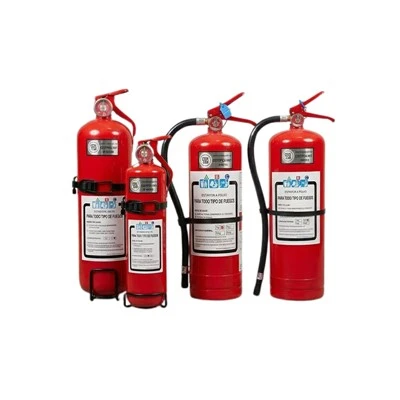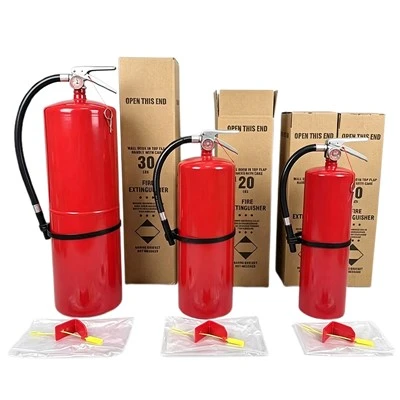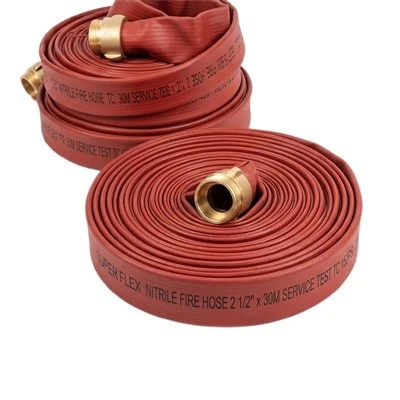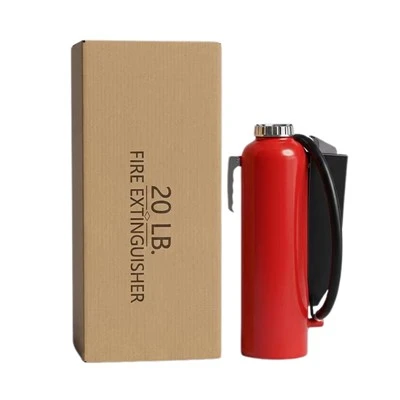

Shaoxing Weimin Fire Fighting Equipment Co., Ltd. is one of the most reliable manufacturers and suppliers of dry chemical fire extinguishers in China. If you're going to wholesale bulk CE and ISO approved dry chemical fire extinguishers, welcome to get pricelist and free sample from our factory. All customized products are with high quality and low price.
What the product is made of
Each extinguisher is composed of controlled mechanical and material systems:
Cylinder body:
carbon steel deep-drawn shell, wall thickness 1.2–2.5 mm depending on pressure class
Internal coating:
epoxy resin layer to isolate powder from moisture and metal oxidation
Valve assembly:
brass/aluminum alloy structure with mechanical trigger control
Dip tube:
polymer or aluminum tube guiding powder flow from bottom reservoir
Pressure system:
nitrogen gas charging system maintaining 12–15 bar internal pressure
Nozzle/hose:
rubber composite hose (operating range -30°C to +60°C)
How extinguishing happens physically
When the valve is activated, compressed nitrogen pushes powder through the dip tube and nozzle.
The extinguishing process includes three physical actions:
- Surface coating: powder particles attach to burning material and block oxygen diffusion
- Flame chain interruption: chemical radicals in combustion zone are suppressed by powder reaction
- Thermal dispersion: solid particles absorb heat and reduce local flame temperature gradient
Standard discharge time:
- 6 kg unit: 8–15 seconds (depending on nozzle diameter 6–8 mm)
Fire Class Application Matrix
A-Class (solid combustion)
Material: wood pallets, paper stacks, textile waste
Temperature: ignition above ~250°C
Action: powder forms barrier layer and blocks oxygen supply
B-Class (liquid combustion)
Material: gasoline, diesel, lubricating oil
Flash point: 40–200°C
Action: suppresses vapor flame above liquid surface
C-Class (gas ignition)
Medium: LPG, methane leakage
Pressure: 2–8 bar release environment
Action: disperses flame jet and stops combustion continuity
Weimin Manufacturing Control
Weimin operates a segmented industrial production system, not mixed assembly:
- Cylinder forming (steel deep drawing + seam welding)
- Hydrostatic pressure test at ≥1.5× working pressure (18–22 bar range)
- Internal epoxy coating curing for corrosion isolation
- Vacuum-assisted powder filling (reduces moisture and air inclusion)
- Valve torque-controlled assembly (mechanical calibration)
- Nitrogen pressurization (12–15 bar standard range at 20°C)
- Final inspection (pressure + weight verification)
Each batch is recorded with traceable production ID and inspection report.

Installation & System Integration
Installation is designed for industrial and commercial safety layouts:
- Wall mounting: M8 expansion bolts on concrete or steel structure
- Vehicle installation: vibration-resistant dual-point bracket system
- Industrial placement: floor-mounted within ≤1.2 m access distance
Operational access requirement:
- Activation response: 2–3 seconds mechanical trigger
- Discharge time: 8–15 seconds depending on configuration
- Mounting height: 0.8–1.2 m from ground to handle
Maintenance & Lifecycle Management
Operational lifecycle is defined by measurable indicators:
- Monthly: pressure gauge inspection (green zone stability 10–15 bar)
- Yearly: weight verification (loss threshold ≤5%)
- 3–5 years: powder replacement cycle (depends on regulation)
- 10–12 years: cylinder service life under pressure vessel standards
Weimin Engineering Advantages
Weimin provides production control beyond assembly-level manufacturing:
- Independent cylinder welding and coating line separation
- Batch-level powder filling with humidity isolation system
- Multi-line parallel production for large-volume orders
- Full traceability system (cylinder + valve + filling batch)
- Export labeling customization (multi-language marking system)
Technical Specifications
| Dry Powder Weight | Out-diameter | Cylinder Height | Cylinder Weight | Extinguisher Weight | Material | Max Working Pressure | Test Pressure | Temperature Range | Carton Size | Gross Weight |
|---|---|---|---|---|---|---|---|---|---|---|
| 1 kg | 90 mm | 235 mm | 0.55 kg | 1.85 kg | St12 | 14 Bar | 25 Bar | -30°C ~ +60°C | 21 × 51 × 31 cm / 10 pcs | 19.0 kg |
| 2 kg | 110 mm | 305 mm | 0.93 kg | 3.35 kg | St12 | 14 Bar | 25 Bar | -30°C ~ +60°C | 35.5 × 23.5 × 40 cm / 6 pcs | 21.0 kg |
| 4 kg | 130 mm | 400 mm | 0.55 kg | 1.85 kg | St12 | 14 Bar | 25 Bar | -30°C ~ +60°C | 15 × 15 × 49 cm / pc | 6.4 kg |
| 6 kg | 160 mm | 430 mm | 2.1 kg | 8.5 kg | St12 | 14 Bar | 25 Bar | -30°C ~ +60°C | 16 × 16 × 51 cm / pc | 8.8 kg |
| 9 kg | 182 mm | 490 mm | 3.25 kg | 12.7 kg | St12 | 14 Bar | 25 Bar | -30°C ~ +60°C | 20 × 20 × 59 cm / pc | 13.0 kg |
| 12 kg | 180 mm | 600 mm | 3.95 kg | 16.45 kg | St12 | 14 Bar | 25 Bar | -30°C ~ +60°C | 20 × 20 × 69 cm / pc | 17.0 kg |
FAQ
Q1: What certification is required for import?
A1: Certification depends on destination market. Typical requirements include EN3 (EU), CE marking, and pressure vessel conformity test records. Weimin provides batch inspection documentation for customs clearance.
Q2: What is the difference between ABC and BC powder?
A2: ABC powder (ammonium phosphate) covers solid, liquid, and gas fires. BC powder (sodium bicarbonate) is optimized for liquid and gas combustion without solid fuel coverage.
Q3: Can the extinguisher be refilled after use?
A3: Yes. The cylinder is designed as a refillable pressure vessel. After discharge, valve inspection and powder refilling are required before re-pressurization.
Q4: What causes pressure loss during storage?
A4: Main causes include valve seal aging and micro-leakage in nitrogen system. Weimin uses torque-controlled sealing and batch pressure retention testing to reduce this risk.
Q5: What is the expected service life?
A5: Cylinder life is typically 10–12 years depending on local pressure vessel regulation. Maintenance cycle depends on environmental conditions and usage frequency.
Q6: Can packaging withstand sea freight?
A6: Yes. Units are packed with impact-resistant cartons and fixed internal brackets to prevent valve movement during container vibration and stacking.
Request Technical Quote & Sample
If you are sourcing fire extinguishers for:
Industrial safety distribution • Building contractor supply chains • Government or municipal procurement • OEM fire safety product branding
Weimin provides:
Batch-level production scheduling for container orders • OEM labeling and multilingual marking • Full inspection documentation • Export compliance support
Hot Tags: dry chemical fire extinguishers, China dry chemical fire extinguishers manufacturers, suppliers, factory, 2KG ABC Fire Extinguisher, 6KG Powder Extinguisher, ABC 10LBS Fire Extinguisher, ABC Dry Chemical Fire Extinguisher, dry powder fire extinguishers, Portable Dry Powder Fire Extinguishers